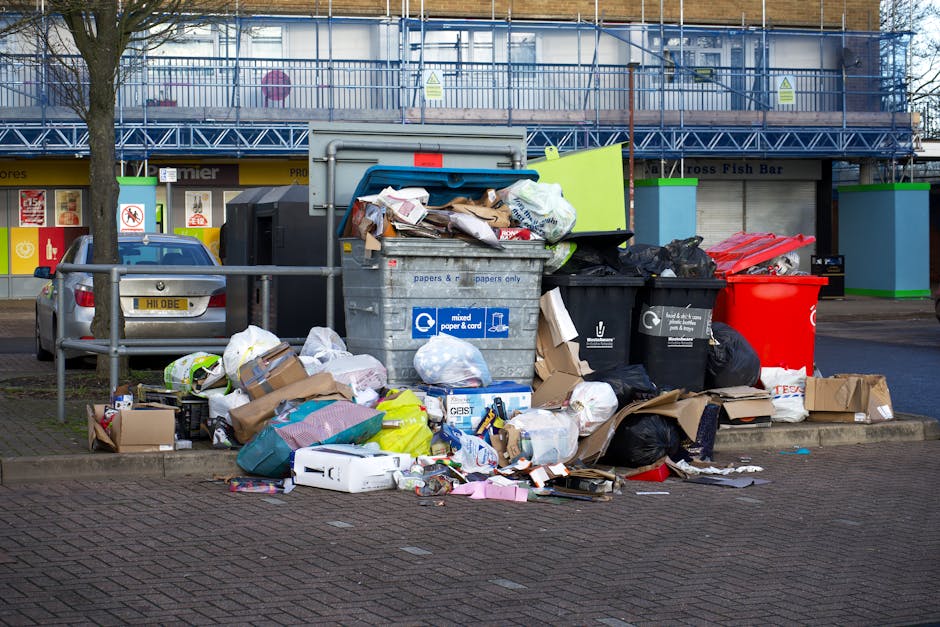
Clapham Old Town commercial rubbish removal for businesses
Running a business in Clapham Old Town means dealing with the everyday stuff that quietly builds up: broken office chairs, packaging from deliveries, old stock, refurb waste, dusty storage-room clutter, and the occasional "we really should sort that out" corner. Clapham Old Town commercial rubbish removal for businesses is simply the practical answer to that problem. It keeps premises clearer, staff safer, and the working day a bit less chaotic. And if you have ever tried to move a pile of rubbish through a busy doorway at 8:30 on a Monday, you already know why speed and planning matter.
This guide explains how commercial rubbish removal works, who it suits, what to expect, and how to avoid the little mistakes that turn a simple clearance into a long afternoon. You will also find a useful checklist, a comparison of common disposal options, and a few grounded tips from real-world business settings. If you are weighing up your options, the pages on business waste removal and general waste removal are good starting points for understanding the wider service picture.
Practical summary: the best commercial rubbish removal solution is usually the one that fits your space, your schedule, and the type of waste you need cleared. Fast is helpful, but organised is better.
Why Clapham Old Town commercial rubbish removal for businesses matters
Commercial waste is not just an eyesore. In a lively local area like Clapham Old Town, it can affect how your business feels to customers, how efficiently staff work, and how safely people move around the premises. A neat shopfront, cafe back area, studio, office, or shared workspace gives a much better first impression than a corridor stacked with flattened boxes and old fixtures. Truth be told, customers notice more than you think.
It also matters because business waste tends to accumulate in awkward ways. A retail unit may have seasonal stock packaging. An office may have a dead printer, an old monitor, and six chairs nobody wants to claim. A restaurant might have worn prep equipment, broken shelving, or worn-out furniture from a quick refresh. The odd item is manageable. The pile is where the problem starts.
Then there is the practical side. Clutter narrows walkways, creates trip hazards, blocks loading access, and makes routine cleaning harder. In a busy local high street setting, that can quickly become a nuisance. If waste is mixed with general storage or left near customer areas, the whole operation feels less controlled. For businesses that value presentation, this alone is enough reason to keep clearance on a regular schedule.
For some firms, waste removal also helps protect confidential or sensitive material. That could mean paperwork, boxes of archived records, or office equipment with data-bearing components. In those cases, using a suitable service such as confidential shredding can reduce the risk of disposal mistakes and keep your internal housekeeping tidy.
Good commercial clearance is not just about taking rubbish away. It is about preventing small messes from turning into operational friction.
How Clapham Old Town commercial rubbish removal for businesses works
Most business rubbish removal jobs follow a fairly simple rhythm. First, you identify what needs removing. Then you get a quote, choose a time, and arrange access. On the day, the team loads the waste, separates what can be recycled, and clears the space so you can get on with work. Sounds easy enough, and usually it is. The only snag is preparation.
In practice, the service may need to work around stairs, narrow entrances, shared courtyards, parking restrictions, or busy trading hours. In Clapham Old Town, logistics matter. A good clearance team should ask the right questions upfront: what type of waste is involved, how much there is, whether heavy lifting is needed, and if there are any hazardous or sensitive items mixed in. That level of care saves everyone time later.
For office-led jobs, the process often includes desk and chair removal, shelving clearance, IT and appliance disposal, and sometimes archive or file destruction. That is where an office-focused option like office clearance can be especially useful. For other commercial settings, the waste may be more mixed: builders' offcuts, packaging, fixtures, old furniture, and bulky items all in one go.
Timing is often flexible. Some businesses want an early-morning visit before opening hours. Others prefer late afternoon, after the final customer has left and the back room is quieter. A small thing, but it makes a big difference to staff stress levels. Nobody wants a clearance team threading through lunchtime service if they can avoid it.
There is also the question of sorting. Reputable clearance work usually separates reusable and recyclable items where possible, and treats special waste carefully. You should expect clear communication about what is taken, what is not, and how anything sensitive or restricted is handled. If you are dealing with appliances, for example, the page on fridge and appliance removal gives a helpful sense of how larger items are handled in a more structured way.
Key benefits and practical advantages
The obvious benefit is getting rid of waste. But the better value sits underneath that. Commercial rubbish removal can improve the feel of a worksite, reduce admin, and make your business look properly looked after. That sounds simple, because it is simple. Still, the effect is real.
- Better use of space: back rooms, stores, and office corners stop becoming accidental dumping grounds.
- Safer movement: fewer trip hazards, fewer blocked exits, fewer awkward manoeuvres with heavy bags or boxes.
- Cleaner presentation: useful for customer-facing spaces, landlord inspections, and changeover days.
- Less staff distraction: employees can focus on their actual work instead of stepping around clutter.
- Faster turnaround during refurb or move-out periods: a commercial clearance often keeps projects on schedule.
- More responsible disposal: recyclables and reusable materials are easier to manage when waste is removed in a planned way.
There is also a quieter benefit: peace of mind. Business owners and managers tend to carry enough in their heads already. Knowing the rubbish is sorted properly is one less thing to chase. And honestly, that matters more than people admit.
If you are balancing cost and convenience, looking at pricing and quotes alongside the exact type of waste usually leads to a more realistic decision than guessing from volume alone. Two jobs that look similar from the doorway can be very different once lifting, access, and sorting are factored in.
Who this is for and when it makes sense
Commercial rubbish removal is useful for a wide range of businesses. Not just big offices, either. In fact, many of the most common jobs come from small and medium-sized premises where space is tight and waste builds up quickly.
- Offices clearing desks, chairs, storage, and old electronics.
- Retail shops needing packaging, shelving, display units, and stock-room waste removed.
- Cafes, bars, and restaurants getting rid of worn furniture, broken equipment, or end-of-life storage items.
- Salons and clinics handling fit-out waste, furniture, and discreet disposal needs.
- Landlords and managing agents clearing commercial spaces between tenants.
- Trades and contractors needing fast removal of builders' waste after fit-outs or refurb work.
It makes sense whenever waste is too bulky, too awkward, or too time-consuming for regular bins. That includes one-off clearances, periodic tidy-ups, and end-of-lease jobs. A business that only clears waste once a year can still benefit. Sometimes especially then, because the volume tends to be more than anyone remembers.
If the job is linked to refurbishment or internal works, you may also find it useful to look at builders waste clearance. That is often a better fit for plasterboard, timber offcuts, broken fittings, and general renovation debris than a standard office-style collection.
Step-by-step guidance
If you want the process to go smoothly, break it down. Too many businesses wait until the rubbish has become urgent, then try to organise everything in a rush. That rarely feels elegant. Here is the sensible way to handle it.
- Identify the waste type. Separate furniture, general rubbish, electronics, packaging, confidential items, and anything potentially hazardous.
- Estimate the volume. Think in terms of bags, items, rooms, or piles. You do not need perfect precision, but you do need a useful picture.
- Check access. Note stairs, lifts, loading bays, parking limits, and any narrow entries. A small detail now can save a lot later.
- Choose a suitable time. Pick a slot that protects trading, staff movement, and customer experience.
- Request a clear quote. Make sure the quote matches the waste described, including any special handling or lifting.
- Prepare the site. Separate items to keep, label sensitive materials, and make sure access points are unlocked or available.
- Confirm what is being removed. Walk the space if needed. A quick five-minute review can prevent "I thought that chair was staying" moments.
- Arrange follow-up disposal needs. If the business generates waste regularly, set a recurring plan rather than restarting from scratch each time.
A small but useful tip: photograph the waste area before collection. It helps with internal planning, landlord discussions, and any later confusion about what was left behind. Not glamorous, but helpful.
Expert tips for better results
After a lot of clearances, one pattern keeps showing up: the jobs that feel smoothest are the ones that were prepared with a bit of common sense. No drama. No overthinking. Just a few smart decisions up front.
Tip 1: separate the "maybe keep" items early. If you leave uncertain items in the waste pile, someone will ask about them right at the point of loading. That slows everything down and can create errors. Make decisions before the team arrives if you can.
Tip 2: keep the route clear. A clear path from waste area to exit is worth more than people realise. It saves time, reduces damage risk, and makes heavier items safer to carry. You will notice the difference instantly.
Tip 3: flag special items immediately. Fridges, freezers, solvents, sharp materials, and anything with possible contamination should never be buried in a general pile. If in doubt, ask first. For appliance-heavy jobs, the specific handling approach outlined in fridge and appliance removal is a good reminder that not all bulky items are treated the same way.
Tip 4: think about end use. If you are clearing to refurbish, stage the items by type. Furniture in one place, waste in another, reusable stock elsewhere. That tiny bit of order can save a surprising amount of back-and-forth.
Tip 5: ask how recyclable materials are handled. You do not need a lecture. Just a clear answer. Good waste services should be able to explain the basics without hiding behind jargon.
Tip 6: avoid last-minute panic clearances. They cost more in stress, even if the actual job is straightforward. A planned pickup is nearly always calmer and cleaner.
Common mistakes to avoid
The biggest mistake is assuming all rubbish is the same. It is not. A pile of cardboard, a broken desk, and a bag of confidential files need very different handling. Mixing them together can create extra cost, delay, or compliance issues. A bit obvious, maybe, but it happens all the time.
Another common mistake is underestimating access problems. A business might say, "It's just a quick pickup," and then the team arrives to find a locked gate, no lift access, and a delivery bay full of other vehicles. That kind of thing turns a tidy plan into a slightly sweaty shuffle.
Other mistakes include:
- Not checking whether the waste includes hazardous or restricted items.
- Leaving confidential material mixed with general rubbish.
- Booking the wrong time and disrupting customers or staff.
- Forgetting to measure large items that may not fit through exits cleanly.
- Choosing a provider without asking what happens to recyclable materials.
- Waiting until the space becomes unusable before arranging clearance.
To be fair, many of these mistakes are just about speed. Business owners are busy. But a short pause upfront usually prevents a longer mess later.
Tools, resources and recommendations
You do not need a toolkit the size of a contractor's van to organise commercial rubbish removal. Still, a few simple resources help a lot.
- Phone camera: take clear photos of the waste area and bulky items before collection.
- Basic inventory list: a quick written list of what is going, what is staying, and what needs special handling.
- Measuring tape: useful for large furniture, fridges, shelving, and awkward access points.
- Labels or sticky notes: ideal for marking keep items, confidential items, and fragile pieces.
- Site access notes: write down entrance codes, lift restrictions, delivery windows, and parking details.
On the service side, business owners often compare clearance options with the broader waste removal service, especially when the waste is mixed and not purely office-based. For furniture-heavy clearances, it can also help to review furniture disposal so you know how bulky items are usually handled.
If your business is trying to improve environmental performance or simply reduce what goes to landfill, the page on recycling and sustainability is a useful internal reference point. It keeps the discussion focused on practical action, not vague good intentions.
Law, compliance, standards, or best practice
Commercial waste handling in the UK needs sensible care. You do not need to become a legal expert, but you do need to avoid casual mistakes. Businesses remain responsible for their waste until it is handed over appropriately, so it is wise to use a service that understands proper disposal routes and basic compliance expectations.
Best practice usually means:
- keeping business waste separate from household waste where relevant;
- identifying anything hazardous, sharp, or contaminated before collection;
- making sure confidential information is not left in general waste;
- using a provider that works in line with recognised health and safety procedures;
- recording what has been removed for internal admin, landlord checks, or audit trails.
Health and safety is especially important in tighter commercial settings. Heavy lifting, blocked exits, slippery floors, and busy customer areas all increase risk. It helps to work with a company that can explain its process clearly and take sensible precautions on site. A useful place to review that mindset is the site's health and safety policy and insurance and safety information, which signal the sort of operational care you should expect from a professional provider.
If hazardous items are involved, do not guess. Treat them separately and ask for advice before the collection. For businesses handling chemicals, aerosols, contaminated materials, or other tricky waste, the dedicated hazardous waste disposal page is the most relevant place to start within the site structure.
In short: compliant waste handling is usually boring, deliberate, and careful. That is exactly how it should be.
Options, methods, or comparison table
Businesses in Clapham Old Town usually choose between a few practical approaches. The right one depends on volume, urgency, and how much time you want to spend managing the job yourself.
| Option | Best for | Pros | Trade-offs |
|---|---|---|---|
| One-off commercial clearance | Sudden accumulations, move-outs, refurb jobs, end-of-lease clearances | Fast, convenient, minimal staff disruption | Can be less efficient for recurring waste |
| Regular business waste removal | Ongoing waste from offices, retail, hospitality, or shared spaces | Predictable, organised, easier to plan | Needs a routine and a bit more coordination |
| Specialist item removal | Appliances, bulky furniture, confidential materials, awkward items | Better handling for specific waste types | May require more detailed pre-checks |
| Skip-based solution | Worksites with enough space and time for loading waste gradually | Useful for medium-volume projects | Requires space, permits may be needed depending on placement |
For many small businesses, a direct clearance service is simply easier than managing a skip. On the other hand, if you are dealing with an ongoing project and have room for loading waste over several days, the page on what can go in a skip can help you judge whether that route is even suitable in the first place.
Case study or real-world example
Picture a small business near the centre of Clapham Old Town. The team has been meaning to clear the back room for months. Old display units are leaning against a wall, cardboard is stacked beside a broken office chair, and there are two pieces of furniture nobody wants to take responsibility for. It is not a disaster, just one of those spaces that slowly becomes "temporary storage" until nobody can pass comfortably.
The manager decides to book a commercial clearance before a staff reset day. They list the waste by type, flag one cabinet that must stay, and mention that access is through a narrow side entrance. The team arrives early, works methodically, and clears the waste in one visit. The back room can finally be cleaned properly, the floor is visible again, and the staff no longer need to shift boxes every time they restock. Simple win.
The slightly less glamorous part? They also found a few items they had forgotten about, including an old appliance that needed separate handling. Because it was identified ahead of time, the job stayed orderly rather than turning into a mid-collection debate. That is the sort of thing that saves time and preserves everyone's mood.
It is a small story, but it reflects a common reality: commercial rubbish removal works best when the business provides a little structure and the clearance team brings the muscle, timing, and know-how. Nobody needs a heroic cleanup. Just a sensible one.
Practical checklist
Use this checklist before booking Clapham Old Town commercial rubbish removal for businesses.
- List the exact items or waste types that need removing.
- Separate anything confidential, hazardous, reusable, or staying on site.
- Measure large items and note any awkward access points.
- Confirm whether the job is one-off or part of ongoing waste management.
- Choose a time that avoids your busiest trading hours.
- Check whether staff need to prepare the space in advance.
- Ask how recyclable items are handled.
- Make sure someone is available to approve what goes and what remains.
- Keep a record of the collection for internal files.
- Review any follow-up needs, such as furniture disposal or appliance removal.
A clean checklist sounds boring. It is. But boring is often brilliant when you are trying to avoid a messy day.
Get a free quote today and see how much you can save.
Conclusion
Clapham Old Town commercial rubbish removal for businesses is really about keeping your operation calm, presentable, and efficient. Whether you are clearing a shop back room, an office floor, a hospitality space, or a mixed-use premises, the principles are the same: know what you have, prepare the access, handle special items properly, and choose a service that works to a sensible plan.
The businesses that get the best results usually do not wait until the waste becomes overwhelming. They sort early, ask clear questions, and treat clearance as part of running the premises properly. That approach saves time, reduces hassle, and makes the place feel better to work in. And let's face it, a business that runs on order tends to feel better to customers too.
If you are ready to clear space, reduce clutter, and make the working day simpler, the next step is straightforward: review your waste type, compare your options, and arrange a collection that fits your schedule. Small decision, big relief.
Frequently Asked Questions
What does commercial rubbish removal cover for businesses?
It usually covers bulky waste, office furniture, general business rubbish, packaging, appliances, and mixed clearance items that are too much for normal bins. The exact scope depends on the provider and the type of waste involved.
Is Clapham Old Town commercial rubbish removal suitable for small businesses?
Yes. In fact, small businesses often benefit most because space is limited and waste can build up quickly. A one-off clearance can make a surprising difference to how the premises functions day to day.
How do I know whether I need office clearance or general waste removal?
If the job is mainly desks, chairs, filing, IT items, and office furniture, office clearance is often the better fit. If the waste is mixed or more general, waste removal may be more appropriate.
Can confidential business waste be handled separately?
Yes, and it should be. Paper records, sensitive files, and data-bearing materials should not be mixed with standard waste. Using a service such as confidential shredding is a sensible precaution.
What if my business has bulky furniture to remove?
That is very common. Furniture can usually be cleared as part of a commercial job, but it helps to mention it early so the team can plan for lifting, access, and any disassembly that may be needed.
Do I need to sort recycling before the clearance team arrives?
It helps, but it is not always essential. A bit of pre-sorting makes the job smoother and can reduce confusion, especially if you have cardboard, metal, or reusable items mixed together.
What should I do with old fridges or appliances?
Flag them separately. Appliances often need different handling from ordinary rubbish. If your clearance includes them, the fridge and appliance removal service information is a useful reference point.
How can I avoid disrupting customers during the collection?
Book the collection outside peak hours, keep access routes clear, and make sure staff know what is being moved. Early morning or late-day visits often work best, depending on your trading pattern.
Is a skip always cheaper than commercial rubbish removal?
Not necessarily. A skip can be useful in some situations, but you also need space, time, and the right type of waste. For smaller or more awkward clearances, a direct removal service can be more practical overall.
What happens to reusable or recyclable items?
That depends on the provider and the material. A good service should separate recyclables where possible and avoid sending reusable items to waste if they can be handled more appropriately.
Can builders' waste be included in a business clearance?
Sometimes, yes, especially if the waste comes from a fit-out, refurb, or minor works. For heavier renovation debris, builders waste clearance is often the more suitable route.
How do I choose the right provider for my business?
Look for clear communication, sensible pricing, suitable handling for your waste type, and a process that respects access, safety, and timing. It should feel organised, not vague. If you want to learn more about the company behind the service, the about us page is the natural place to start.
What if I need to book quickly?
Start by identifying the waste type and access details, then ask for a quote as soon as possible. Fast bookings are much easier when the basics are ready. A clear photo and a short item list can speed things up a lot.