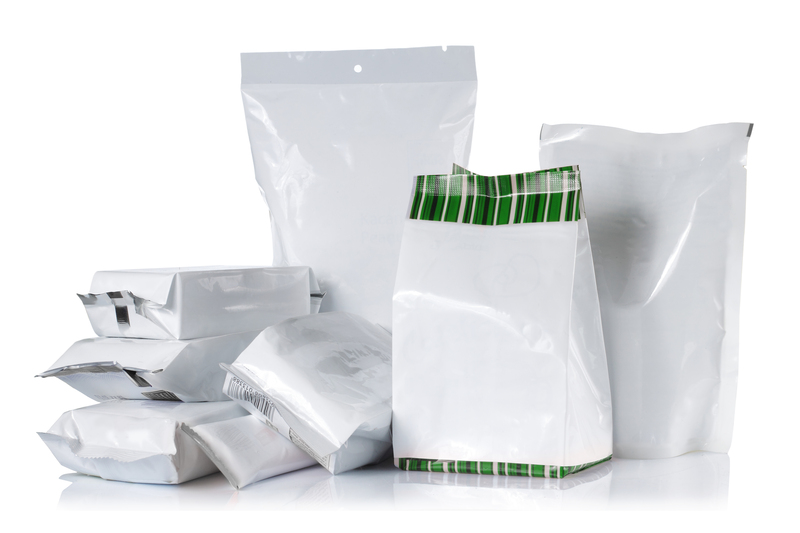
Eco-Conscious Living Through Better Packaging and Cardboard Disposal
Eco-Conscious Living Through Better Packaging and Cardboard Disposal: The Definitive UK Guide
You can spot it in your hallway after a big online shop: a stack of boxes, the faint papery smell of cardboard dust, and a quiet question in your head--what now? Eco-Conscious Living Through Better Packaging and Cardboard Disposal isn't just a neat-sounding phrase. It's a day-to-day practice that saves money, cuts clutter, and does something tangible for the planet. Whether you're running a small London cafe, moving flat in Manchester, or leading packaging decisions for a national retailer, your choices on packaging and cardboard disposal add up. Quickly. And--truth be told--getting it right feels good.
In this long-form, research-backed guide, you'll learn how to minimise packaging without compromising protection, how to choose eco-friendly materials that actually work, and how to handle cardboard disposal like a pro. We'll also walk through UK laws (including the evolving packaging Extended Producer Responsibility), share real-world examples, and give you practical tools you can put to work today. Clean, clear, calm. That's the goal.
Table of Contents
- Why This Topic Matters
- Key Benefits
- Step-by-Step Guidance
- Expert Tips
- Common Mistakes to Avoid
- Case Study or Real-World Example
- Tools, Resources & Recommendations
- Law, Compliance or Industry Standards (UK-focused)
- Checklist
- Conclusion with CTA
- FAQ
Why This Topic Matters
Packaging protects products and shapes brands--but it also drives a surprisingly large share of household and business waste. In the UK, packaging waste runs into the millions of tonnes annually, with paper and cardboard forming a substantial slice of that total. Government statistics in recent years show paper and cardboard remain among the highest-volume materials placed on the market, and--encouragingly--among the most recycled. Still, the system only works when households and businesses handle items correctly: keep it clean, dry, and sorted.
There's another dimension. Packaging choices influence the entire lifecycle of a product--from forest to factory floor, from doorstep delivery to the recycling mill. Opting for recycled content, right-sizing parcels, and reducing mixed-material designs can cut carbon and costs. Eco-Conscious Living Through Better Packaging and Cardboard Disposal is a daily practice that helps you tread lighter and, frankly, live a little smarter.
Quick micro moment: a client once told us that after one delivery-heavy week, they could practically hear the boxes sighing as they stacked up in the hall. We flattened the lot in five minutes, fitted them into one bale, and cut their pickup schedule in half. Tiny actions, big wins.
Key Benefits
Here's what you'll gain by improving packaging choices and streamlining cardboard disposal.
- Lower carbon footprint: Using recycled-content cardboard and reducing void fill decreases the environmental impact. Less weight, fewer trucks, lower emissions.
- Cost savings: Right-sized packaging and smart disposal (e.g., baling) cut materials costs and collection fees. You'll also reclaim storage space--worth more than you think.
- Better unboxing experience: Minimal, tidy packaging delights customers without the guilt of waste. People notice. Reviews mention it. Sales follow.
- Regulatory resilience: With the UK's packaging reform and Extended Producer Responsibility (EPR) framework, designing for recyclability reduces potential fees and headaches down the line.
- Safety and cleanliness: Flattened, dry cardboard avoids trip hazards and pest risks, especially in hospitality and retail. It just makes the place feel calmer.
- Brand credibility: Eco-literate packaging is a visible proof point of your sustainability values. Not performative--practical.
To be fair, it takes a little effort to change habits. But once you replace plastic tape with paper tape or switch to a standard set of box sizes, life gets easier. It's like tidying a room and keeping it that way on autopilot.
Step-by-Step Guidance
These steps work for both households and businesses. If you manage a site with regular deliveries, use the business notes sprinkled throughout.
1) Audit what you receive and send
- Count the volume: Over one week, track how many boxes you receive and the average sizes. Note if they arrive dry, wet, or contaminated with food.
- Map materials: Identify mixed materials (laminated boxes, plastic windows, foam inserts) that complicate recycling.
- Spot repeat offenders: Suppliers that use oversized boxes or non-recyclable fillers. Make a list.
Business nudge: take a few phone pictures of typical deliveries. You'll see patterns. And you can use those photos when talking to suppliers.
2) Reduce first, then refine
- Right-size parcels: Use box sizers or adjustable boxes to avoid shipping air. Your courier bills will thank you.
- Consolidate: Bundle items into fewer shipments where possible.
- Switch fillers: Replace plastic air pillows with shredded cardboard or recycled paper void fill.
Ever opened a shoe box packed within three bigger boxes? Exactly.
3) Choose better materials
- Cardboard spec: Choose FSC-certified or PEFC-certified board, ideally with high recycled content. Aim for mono-material packaging (just cardboard and paper tape).
- Inks and adhesives: Prefer water-based inks; pick paper tape with natural rubber adhesive where possible for better recyclability.
- Labels: Use paper labels. Avoid large plastic labels or glossy laminates that can interfere with pulping.
Quick aside: on a rainy Tuesday in Leeds, we tested a switch from plastic tape to 60 g/m? paper tape. It stuck better than expected, even on slightly dusty board. Wasn't expecting that.
4) Prepare cardboard for recycling like a pro
- Keep it dry: Store flattened cardboard indoors or under cover. Wet card loses strength and value.
- Flatten everything: Break boxes along the seams. Remove bulky plastic inserts and foam.
- Remove heavy contamination: Food-soiled sections should go to general waste or compost only if plain, uncoated paper and clean of grease (pizza grease is a no-go for paper recycling).
- Bundle or bale: Tie with string or use a small baler to compress volume by 80-90% for businesses.
You could almost hear the soft crackle as a bale compresses--the sound of tidy savings.
5) Choose the right disposal route
- Council kerbside: Most UK councils accept flattened cardboard. Follow local rules on size and bundling.
- Household Waste Recycling Centres (HWRCs): Great for bulky loads after a move.
- Business collections: Arrange scheduled cardboard-only pickups with a licensed carrier. Ask for weigh tickets.
- Reuse: Offer clean boxes on local community groups. Someone moving flat will be thrilled.
6) Close the loop in-house
- Shred for void fill: Convert clean cardboard into packaging filler with a shredder.
- Protect flooring: Lay large sheets during DIY to catch dust and paint.
- Compost carefully: Plain, uncoated cardboard can be shredded and composted in thin layers. Avoid glossy or heavily inked board.
7) Train your team (or household)
- Make it visual: Put a poster above the bin showing "Yes" and "No" items.
- Set the routine: Flatten boxes at arrival, not days later. Two minutes now saves twenty later.
- Track a simple metric: Bales per week, or "overflow incidents." Improvement is motivating.
Small human story: a shop manager told us the back room "stopped smelling like damp cardboard" once staff got into the habit of flattening boxes immediately. Simple. Effective.
Expert Tips
Here's the deeper, nerdier layer--the kind that quietly saves thousands over a year.
- Specify board strength by need: Use ECT (Edge Crush Test) or BCT (Box Compression Test) ratings to match protection with product weight. Over-spec'ing wastes money and materials.
- Standardise sizes: Pick a small set of box sizes that tessellate well on pallets. Fewer SKUs = better prices and faster packing.
- Design for mono-material: No windows, no plastic hangers, minimal coatings. The closer to pure fibre, the simpler the recycling.
- Use paper tapes and gummed tape: They bond strongly and are widely recyclable with the box, reducing sorting time.
- Choose recycled content smartly: 70-100% recycled content for outer boxes is typically fine. For liquid or heavy items, use stronger liners or double wall but keep materials recyclable.
- Water protection without plastic: Leverage tight-fitting lids and internal paper wraps. Store boxes off the floor on pallets; moisture is the silent killer.
- Label with OPRL guidance: Clear on-pack recycling labels improve consumer sorting accuracy. If you're a brand owner, it's a must-have.
- Bale small, bale often: For SMEs, a 30-60 kg vertical baler is affordable, quiet, and fits in a stockroom. It's the gateway to lower collection costs.
- Measure embodied carbon: Use light-touch lifecycle tools to compare suppliers. Numbers beat intuition.
One more thing--try a pilot month. Change one variable (like tape or box size), document outcomes, then lock it in. You'll build a playbook that really works for you.
Common Mistakes to Avoid
We see these again and again. Easy fixes, big payoffs.
- Letting cardboard get wet: Damp boxes collapse, attract pests, and may be rejected by recyclers.
- Leaving food residues: Greasy pizza boxes contaminate paper streams. Tear off clean lids for recycling; bin the greasy base or compost if suitable.
- Mixed-material overload: Plastic windows, glittery finishes, and foil laminates reduce recyclability. Choose plain board unless absolutely necessary.
- Not flattening: Whole boxes fill bins fast, trigger extra collections, and cost more.
- Over-spec packaging: Double-walled boxes for featherweight items? Not needed. Match the spec to the job.
- Missing data capture: Businesses subject to reporting rules under packaging EPR need accurate packaging data. No data, no compliance.
- Contaminated storage areas: Cardboard near fryers or waste oil becomes non-recyclable quickly. Keep fibre away from food prep areas.
- Incorrect disposal of labels and films: Peel off large plastic films. Small bits of tape are usually fine, but don't overdo it.
Yeah, we've all been there--staring at a shiny box wondering if it's recyclable. When in doubt, go plain.
Case Study or Real-World Example
Case Study 1: London Cafe Chain Reduces Collections by 50%
Context: A three-site cafe group in London received daily deliveries: coffee, pastries, and retail stock. Back rooms were cramped; cardboard piled up by midweek. On wet days, the pile turned soggy--messy and a bit smelly, if we're honest.
Actions:
- Introduced a standard routine: flatten boxes on receipt, store on a pallet away from sinks.
- Switched from plastic tape to paper tape; asked two suppliers to reduce oversized cartons.
- Installed a compact 30 kg baler and set a "one bale per day" target.
Results: Cardboard volume dropped by ~80%. Collections moved from weekly to fortnightly, cutting costs by roughly 35%. Staff said the stockroom felt "like it could breathe." Customers noticed the tidier back-of-house on open kitchen days.
Case Study 2: E-commerce SME Cuts Damages and Materials
Context: A homeware brand in the Midlands shipped 500-800 orders a day. They used multiple box sizes, plastic void fill, and struggled with occasional transit damage.
Actions:
- Standardised to five box sizes and introduced a box sizer for awkward items.
- Switched to shredded cardboard and kraft paper void fill.
- Added water-activated paper tape and clear OPRL recycling labels.
Results: Packaging weight reduced by ~15%; damages dropped 12%. Customer reviews began praising the minimal, recyclable packaging. Returns handling sped up because it was clear how to recycle the box and filler.
Tools, Resources & Recommendations
Not every tool is essential, but the right ones pay back fast.
- Box sizer/cutter: Adjust tall boxes to fit contents and reduce voids.
- Cardboard shredder: Converts clean boxes into soft, netted void fill--great for e-commerce.
- Vertical baler (30-60 kg): For SMEs producing several bags of cardboard a day. Reduces pickups and helps negotiate better rates.
- Pallet and cover: Keep stacks off the floor and dry, especially near doorways.
- Moisture meter or simple hygrometer: Spot damp storage areas before they ruin recyclables.
- Paper tape dispenser: Manual or water-activated for quick, strong seals.
- Guidance & standards: Look to WRAP UK, OPRL labelling guidance, FSC/PEFC certification, and BS EN 13430/13432 on packaging recoverability and compostability.
- Light LCA calculators: Compare packaging material impacts. Even a basic tool can highlight big wins.
Resource tip: If you operate in a flat or small space, a foldable box rack keeps the hallway civilised. It's oddly satisfying.
Law, Compliance or Industry Standards (UK-focused)
UK waste and packaging rules are evolving, especially with packaging Extended Producer Responsibility (EPR). Here's what typically matters for households and businesses. This is general guidance, not legal advice--always check the latest government updates.
- Waste Hierarchy (Environmental Protection Act 1990; Waste Regulations 2011): You must prioritise prevention, then reuse, recycling, recovery, and disposal. Choosing lighter, recyclable packaging supports this directly.
- Duty of Care (Environmental Protection Act 1990; Code of Practice): Businesses must handle waste responsibly--store securely, use licensed carriers, and keep Waste Transfer Notes. Cardboard counts as controlled waste for businesses.
- TEEP Requirement: Where Technically, Environmentally, and Economically Practicable, businesses should collect recyclables (including paper/cardboard) separately to improve quality.
- Producer Responsibility for Packaging: Historically via PRN/PERN under the Producer Responsibility Obligations (Packaging Waste) Regulations 2007 (as amended). The UK is transitioning to Extended Producer Responsibility (EPR), which increases obligations for packaging producers and brand owners.
- Packaging EPR (phasing 2023 onwards): Large producers must report packaging data; fees based on recyclability and end-of-life outcomes are being introduced in stages. Clear recyclability and accurate data reduce risk and potential costs.
- Labelling and consumer information: Clear recycling instructions are strongly encouraged; the OPRL scheme is widely used in the UK to standardise on-pack recycling guidance.
- Standards and certifications: BS EN 13430 (recyclable packaging); BS EN 13432 (compostable packaging requirements). FSC and PEFC certify responsible sourcing for paper/cardboard.
- Storage & fire safety: Keep stacked cardboard away from ignition sources and egress routes. Local fire officer guidance applies, especially for hospitality and retail.
For Londoners: most boroughs accept flattened cardboard in household dry recycling. Businesses need a commercial waste contract. Keep it clean and dry to avoid contamination charges--some boroughs can be strict.
Checklist
Print this and stick it above your recycling point.
- Flatten boxes immediately on delivery or after unpacking.
- Keep cardboard dry and off the floor; use a pallet or rack.
- Remove heavy contamination (food, oil, thick plastic films).
- Use paper tape and paper labels; avoid laminates and glitter.
- Right-size packaging and minimise void fill.
- Reuse intact boxes and shred the rest for filler.
- Store safely away from heat sources and exits.
- Arrange proper collections with a licensed carrier; keep transfer notes (businesses).
- Track one metric (bales/week, or volume) to drive improvement.
- Review suppliers every quarter; request eco-optimised packaging.
Ever tried clearing a room and found yourself keeping everything "just in case"? This checklist is the opposite. Keep what's useful, recycle the rest, and breathe easier.
Conclusion with CTA
Eco-Conscious Living Through Better Packaging and Cardboard Disposal isn't a lifestyle slogan--it's daily, doable action. Right-size your boxes. Choose paper-based, recyclable materials. Keep cardboard dry, flat, and moving. You'll save money, stay compliant as UK rules evolve, and feel lighter in your space. To be fair, once you start, it's hard to go back. The calm is contagious.
Get a free quote today and see how much you can save.
Take the first step today. A tidier hallway, a smarter stockroom, a cleaner planet--one box at a time.
FAQ
Can I recycle cardboard with tape and labels on it?
Yes--small amounts of paper or plastic tape and standard labels are usually acceptable. Remove large plastic films or heavy tape if practical. The key is keeping the cardboard clean and dry.
Are greasy pizza boxes recyclable in the UK?
Grease contaminates the paper fibres. Recycle the clean lid if it's not greasy; bin the oily base or compost the clean, uncoated parts if suitable. Councils vary slightly, but grease is generally a no.
Is wet cardboard still recyclable?
Often not. Wet or sodden cardboard loses fibre quality and may fall apart at the mill. Let it dry if only slightly damp; otherwise, it might need to go to general waste. Best fix: keep it under cover.
What's the best tape for recyclable packaging?
Paper tape (including water-activated gummed tape) is widely recyclable with cardboard and gives a strong seal. It's our go-to for eco-conscious packaging.
Can I compost cardboard at home?
Yes--plain, uncoated cardboard can be shredded and composted in small amounts. Avoid glossy coatings and heavy inks. Mix with greens (food scraps, grass) to keep your compost balanced.
Do staples or small metal parts need removing?
Small staples are generally removed by recycling facilities during processing. If you can remove big metal clips easily, do it--but don't stress over tiny staples.
How do I store cardboard at work without causing a fire risk?
Flatten boxes, stack them neatly on a pallet, keep away from heat sources or fryers, and don't block exits. Regular collections and small bales reduce stored volume and risk.
What is OPRL and why does it matter?
OPRL is the UK's On-Pack Recycling Label scheme. It standardises clear, consumer-friendly recycling instructions on packaging. Using it improves sorting accuracy and customer trust.
What should businesses know about UK packaging EPR?
The UK is transitioning to Extended Producer Responsibility for packaging. Large producers must report packaging data and will pay fees linked to recyclability and end-of-life outcomes. Accurate data, recyclable design, and clear labels reduce exposure.
Which cardboard is best for shipping fragile items?
Use double-wall or high-ECT single-wall with proper void fill (shredded cardboard or paper). Right-size the box and ensure tight packing to stop movement. Overly big boxes cause damage.
Any quick tip to reduce packaging without risking damage?
Try a box sizer to lower height and switch to paper void fill. Then run a one-month trial and measure damages. Most teams see equal or better protection with less material.
I live in a flat--what if my council bins are always overflowing?
Flatten boxes fully, bundle them with string, and use your council's guidance for collection days. For large volumes (e.g., after moving), take them to your local HWRC or schedule a bulky recycling pickup if available.
Is coloured or printed cardboard recyclable?
Light printing is typically fine. Heavy glossy coatings, foil, or glitter are problematic. When sourcing packaging, prefer plain or lightly printed board with water-based inks.
Can shredded cardboard replace plastic bubble wrap?
Often yes. Shredded or honeycomb cardboard provides excellent cushioning for many items. For extremely delicate goods, combine with paper padding or custom inserts.
How can I prove my business cardboard was recycled?
Use a licensed waste carrier and request waste transfer notes and, where available, weigh tickets. Keep records--handy for audits and sustainability reporting.
What if my supplier keeps sending oversized boxes?
Share your packing data and request right-sized alternatives. Offer to standardise on a set of dimensions. Many suppliers are willing to adjust once they see the numbers.
Can I recycle cardboard that has a small plastic window?
Yes, but it's best to remove the plastic window if it's large. Small windows are usually handled in the recycling process, but removing them improves quality.
Does switching to paper tape really make a difference?
It simplifies recycling, reduces plastic contamination, and in our experience seals just as well. Easy change, clear win. You'll notice the difference on sorting day.
It was raining hard outside that day when we flattened a mountain of boxes in a tiny stockroom. Ten minutes later--space, silence, relief. That calm is possible anywhere.