Forget the Landfill: Smart Solutions for Turning Trash into Functional Art
Why let your unwanted materials contribute to overflowing landfills when you can transform them into creative masterpieces? The world we live in today is facing a mounting waste crisis, pushing us to rethink how we use--and reuse--everyday items. Turning trash into functional art isn't just a trend; it's a sustainable movement making powerful statements about waste, creativity, and resourcefulness.
Understanding Trash as a Resource
Traditionally, items such as plastic bottles, old furniture, metal scraps, or discarded electronics would end up dumped in landfills. But what if we considered these materials not as waste, but as potential art supplies? Visionary creators, environmentalists, and innovative homeowners alike are beginning to see the possibilities in upcycling trash into functional art.
The Waste Problem: Why Landfills Aren't the Answer
- Overflowing landfills: Every year, billions of tons of trash are sent to landfills worldwide, with much of it taking centuries to decompose.
- Environmental hazards: Landfills can leak toxic substances, contributing to soil and water pollution.
- Resource depletion: Many products can be reused, reducing the need to extract more raw materials.
Redirecting waste away from landfills through creative upcycling doesn't just save space--it also reduces environmental harm and energy consumption associated with manufacturing new products.
What is Functional Art?
Functional art refers to objects that not only serve a practical purpose but also possess artistic value. This can range from furniture and lighting fixtures to home decor and utility items, often created from unconventional materials--including recycled trash.
Benefits of Creating Functional Art from Trash
- Environmental impact: Reduces waste and promotes sustainability.
- Unique style: Handcrafted art adds a personal, one-of-a-kind aesthetic to your space.
- Cost-effectiveness: Upcycling trash eliminates the need to buy expensive materials.
- Educational value: Teaches resourcefulness and fosters a culture of environmental responsibility.
Smart Solutions for Upcycling Trash into Functional Art
Forget the landfill and start looking at household waste as the starting point for stunning and practical creations. Here are innovative approaches to turn discarded items into functional artworks:
1. Plastic Bottle Engineering
Plastic bottles are one of the most pervasive pollutants on the planet. Fortunately, they're also commonly used in functional art projects. Some ideas include:
- Lighting fixtures: Cut and mold bottles into unique lamp shades or chandeliers.
- Modular furniture: Fill bottles with sand or other heavy materials, then assemble them into stools, tables, or even benches.
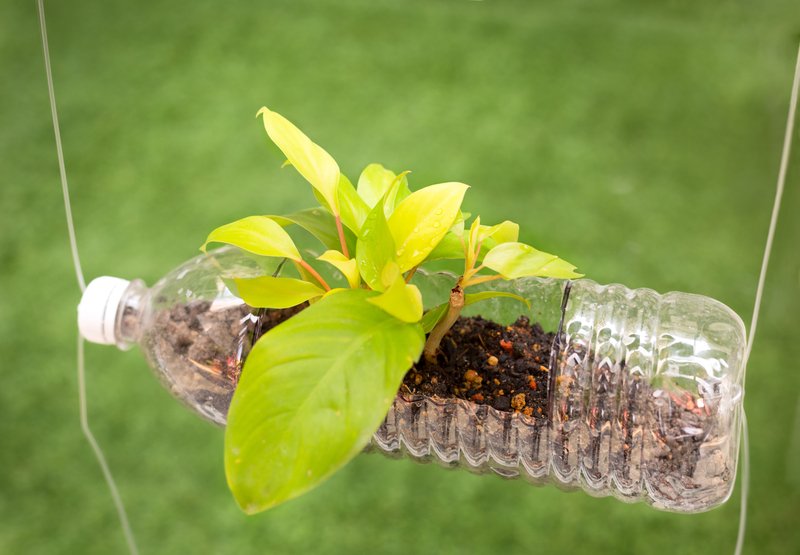
- Garden planters: Stack and cut plastic bottles to create vertical gardens or decorative pots.
2. Reimagining Glass and Metal
Glass jars, wine bottles, and metal cans all make excellent bases for functional art. You can:
- Upcycle glass bottles into vases, candle holders, or rustic drinking glasses.
- Metal can lanterns: Punch designs into tin cans to create beautiful light patterns for patios or pathways.
- Mosaic projects: Use broken glass, tile, or ceramic pieces to surface tabletops or serve as wall art.
3. Woodwork Wonders from Scraps
Old pallets, broken furniture, or even construction leftovers can be transformed into decorative and practical home objects:
- Reclaimed wood shelves or organizers.
- Artisan cutting boards from offcuts or hardwood scraps.
- Statement mirrors with upcycled wooden frames.
4. Electronic Waste Innovations
Electronic garbage, also known as e-waste, is a growing concern worldwide. With a little creativity and basic DIY skills, discarded gadgets can find new purposes:
- Keyboard keys repurposed as jewelry, mosaic tiles, or buttons
- Motherboards and circuitry transformed into wall hangings or desk organizers
- CDs & DVDs cut and arranged into shimmering mirrors or ornamental art
Celebrating Artists Leading the Trash-to-Art Revolution
Around the globe, artists and designers are demonstrating what's possible when creativity meets sustainability. Here are a few notable examples:
- El Anatsui (Ghana/Nigeria) - World-renowned for massive, colorful tapestries crafted from discarded bottle caps and other metals. His works showcase the beauty of repurposing waste on a monumental scale.
- Michelle Reader (UK) - Creates kinetic sculptures and puppets using everything from broken appliances to car parts, breathing life into items once destined for the dump.
- Vik Muniz (Brazil) - Known for his intricate portraits and landscapes made entirely from garbage, raising awareness about recycling and social justice.
- Local and community artists - All over the world, art collectives and individuals are upcycling trash into functional art displays in parks, schools, and public spaces.
Functional Art in Community and Public Spaces
Thinking beyond individual projects, many cities and organizations now champion the use of salvaged materials for public art installations and practical amenities. For example:
- Playgrounds made from tires and plastic bottles
- Public benches and bus stops constructed from reclaimed pallets or metals
- Wall murals and mosaics celebrating local identity, crafted from broken ceramics or plastics
How to Start Upcycling Trash into Functional Art at Home
Turning trash into practical art isn't just for professionals or famous artists. Anyone can get started with a little imagination and a willingness to experiment!
Getting Started: Tips and Ideas
- Collect responsibly: Separate recyclable materials (plastic, metal, glass, wood, e-waste) and clean them before use.
- Gather tools: Basic supplies like glue guns, screwdrivers, pliers, sandpaper, and paint can go a long way.
- Look for inspiration: Browse online tutorials, visit local upcycled art exhibits, or join a community maker space.
- Start small: Try making functional art like coasters from bottle caps, a pen holder from tin cans, or a planter from an old mug.
- Share your creations: Use social media to inspire others and exchange ideas.
Creative Functional Art Projects: Step-By-Step Examples
1. Bottle Cap Mosaic Table
- Gather and clean a collection of colorful plastic or metal bottle caps.
- Find or purchase a small side table or make one from pallet scraps.
- Arrange the caps in a pleasing pattern, covering the tabletop surface.
- Adhere the caps with strong glue or epoxy, then seal with clear resin for protection and durability.
2. Tin Can Desk Organizer
- Collect several tin cans of various sizes and wash them thoroughly.
- Peel off labels and sand any sharp edges.
- Paint or decorate the cans as desired--for example, using washi tape or wrapping paper.
- Use hot glue to affix the cans together in a cluster, arranged both vertically and horizontally.
- Place on your desk to organize pens, supplies, and tools.
3. Upcycled Pallet Coffee Table
- Source a clean, sturdy shipping pallet.
- Sand down rough edges and treat the wood to your liking with stain, paint, or a clear finish.
- Attach wheels or legs for mobility and height as needed.
- Top with a sheet of upcycled glass, or leave exposed for a rustic look.
- Enjoy your new coffee table, made almost entirely from items destined for the landfill!
Benefits of Turning Trash into Functional Art for Community and the Environment
Functional art from trash isn't just a personal win--it's a victory for communities and the planet. Here's why:
- Reduces landfill waste: Every upcycled piece means less garbage, extending landfill lifespan.
- Saves energy and resources: Upcycling saves the energy that would be used in manufacturing new goods.
- Fosters creativity and community: Group initiatives or public art projects bring people together to learn and share ideas.
- Raises environmental awareness: Art has the power to educate--functional art projects are conversation starters that inspire thoughtful change.
Smart Solutions for Scaling Up: The Future of Upcycling Trash into Art
As communities and industries strive for sustainability, combining art, function, and waste reduction is an emerging focus. Creative businesses and sustainable brands are designing furniture, decor, and everyday essentials from recycled materials, making it easier for consumers to support eco-friendly art and practical products.
- 3D printing using recycled plastics for homeware and jewelry
- Eco workshops teaching upcycling skills and providing shared resources
- Partnerships between artists, municipalities, and environmental organizations to fund public functional art installations
The Circular Economy and Functional Art
The concept of the circular economy--where materials are continuously reused, remade, or repurposed--finds a natural ally in trash-to-art practices. By integrating functional art into this system, we create a more resilient, beautiful, and less wasteful world.

Conclusion: Your Role in the Trash-to-Functional-Art Movement
Forget the landfill--the future of trash is functional, beautiful, and sustainable! Whether you're an artist, a homeowner, a teacher, or simply passionate about the planet, you can be part of this creative revolution.
Start by looking at your own waste differently. The next time you reach for the garbage bin, consider how that everyday "trash" can be reimagined into functional art--adding both charm and value to your life while making a positive environmental impact.
So, why not roll up your sleeves and give upcycling a try? Your next art project could be the first step toward a cleaner, greener, and more creative world.
Additional Resources: Learn, Create, Inspire
- Upcycle That - Project tutorials, ideas, and trends in creative upcycling
- Inhabitat - Eco design and architecture inspiration
- Earth911 - Recycling tips and sustainable living guides
Forget the landfill and turn your trash into functional art--help save the environment while expressing your creativity today!